Notice the verb tense: trying, not tried.
As I write this, I’ve already gone through six rolls of film on four different analog cameras.
Why?
When I mention that I’m shooting film – or when people see me using these ancient cameras – the first, obvious question is always the same: why?
It all started with a Praktica Super TL that once belonged to my parents. I fixed the stuck aperture blades on its 50mm f/2.8 lens, loaded a roll of Ilford XP-2 Super 400 black-and-white film, and went out to shoot. I managed to take some photos, but before long the aperture blades seized again, gummed up by old lubricant. I shelved the camera for months, until one day in late 2025 I decided to fix the lens properly. This time, it worked. I shot the entire roll and had it developed.
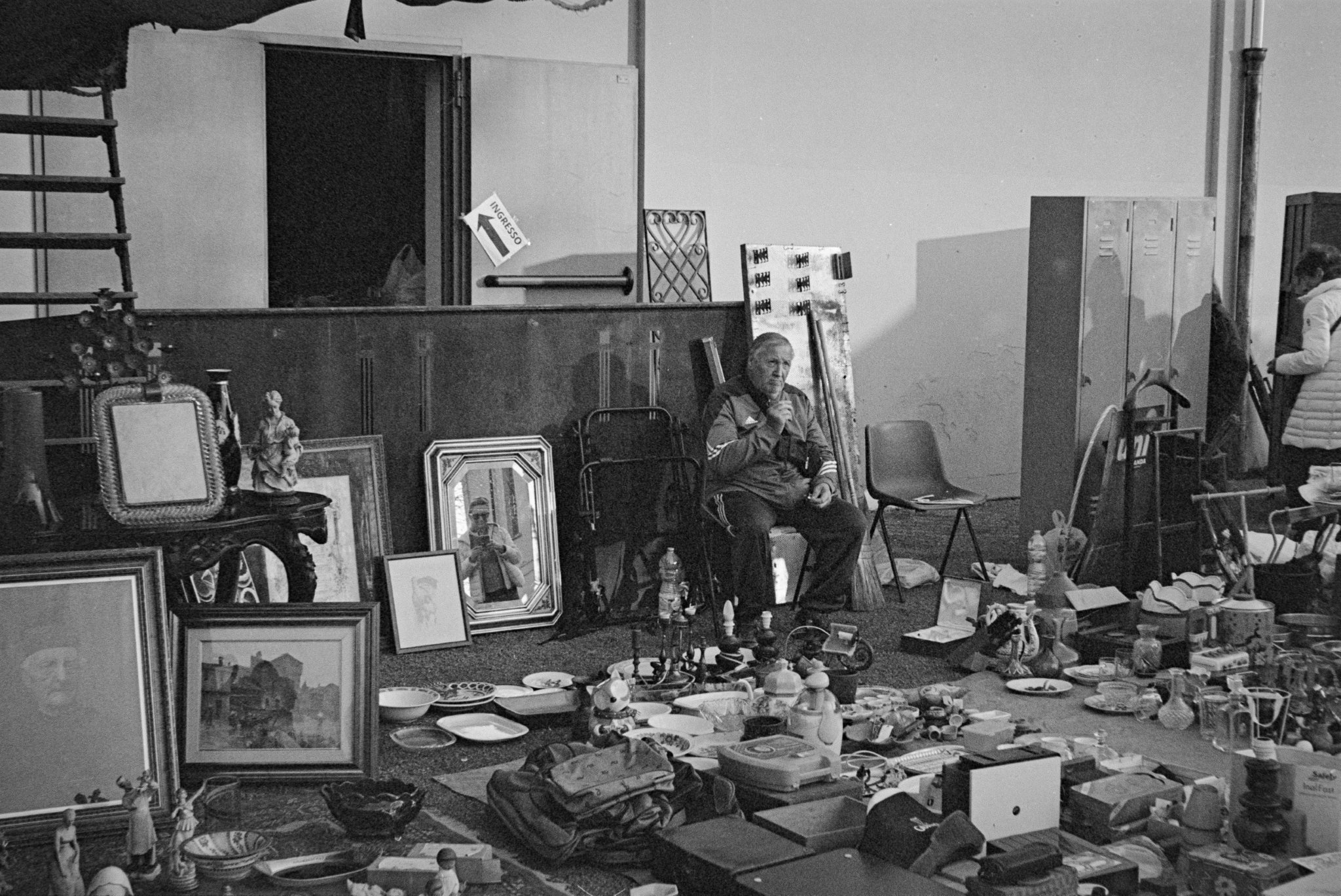
I was hooked – despite the fact that most of the photos were underexposed or badly blurred by camera shake.
The main issue was the Praktica’s size and weight, so I started researching and eventually picked up a few more compact cameras:
- Canon Canonet QL17
- Ricoh 500GX
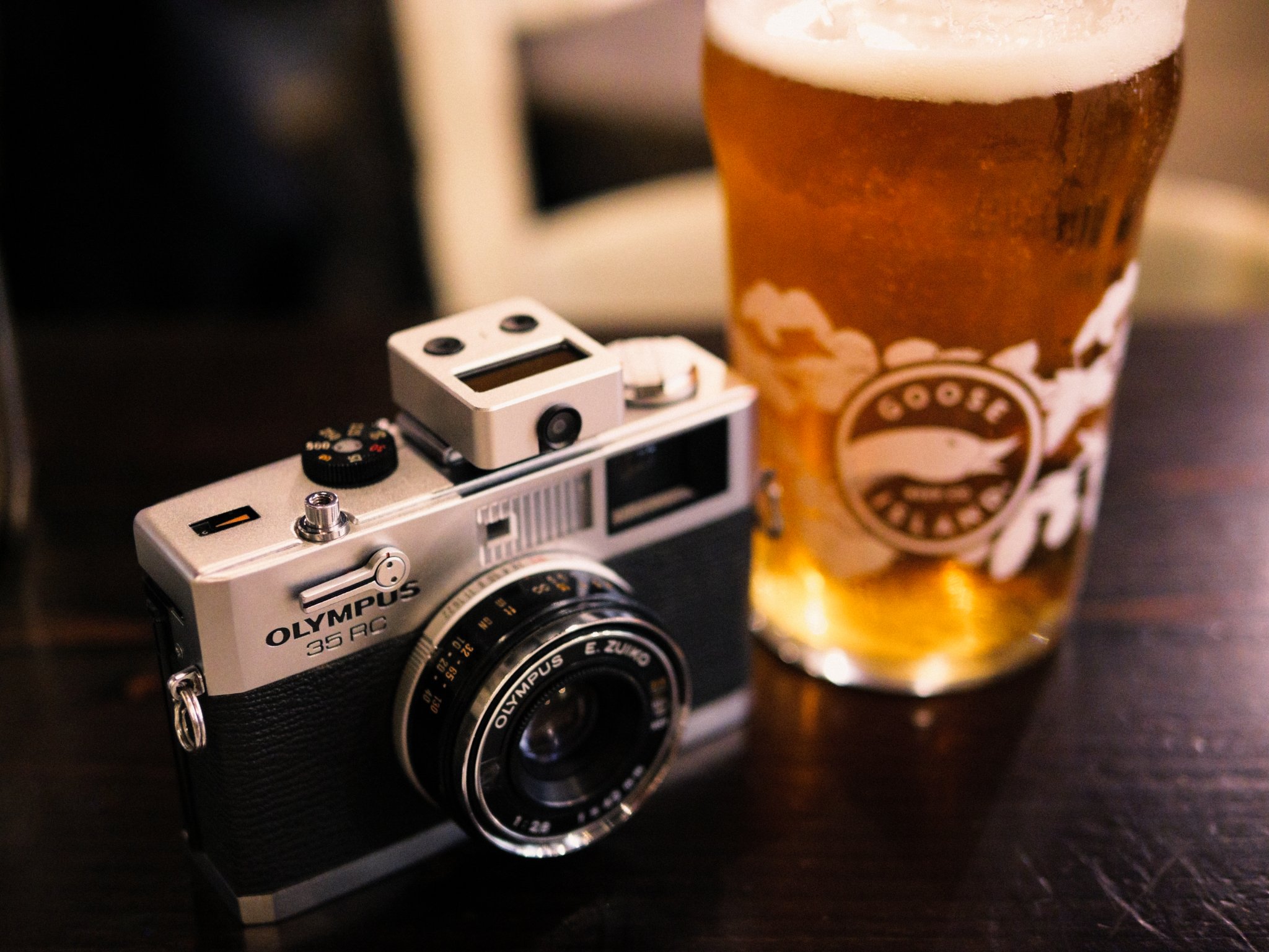
- Olympus 35 RC.
Each one required some degree of maintenance and cleaning, a process I discovered – somewhat unexpectedly – that I enjoyed a great deal.
All of these cameras feature light meters and shutter-speed-priority shooting. The problem is that modern alkaline batteries don’t match the voltage of the mercury cells used in the 1970s, so the metering is often inaccurate – when it works at all.
As you can probably tell, there’s a fair amount of nerdiness involved in all of this.
But wait – I still haven’t answered the original question: why?
At its core, it’s the excitement of trying something new, a way to break the routine of digital photography. But there’s more to it than that.
Form Is Substance
If you completely change the process of taking photos, the results are bound to change as well. In this case, the medium itself is different – film instead of a digital sensor – so, quite naturally, the final images take on a very different look.
The part of the process that changes the most is speed. Shooting on film is significantly slower than shooting digital, at least with the type and age of cameras I’m using. On top of that, each frame costs me some money, so every press of the shutter button is a conscious decision.
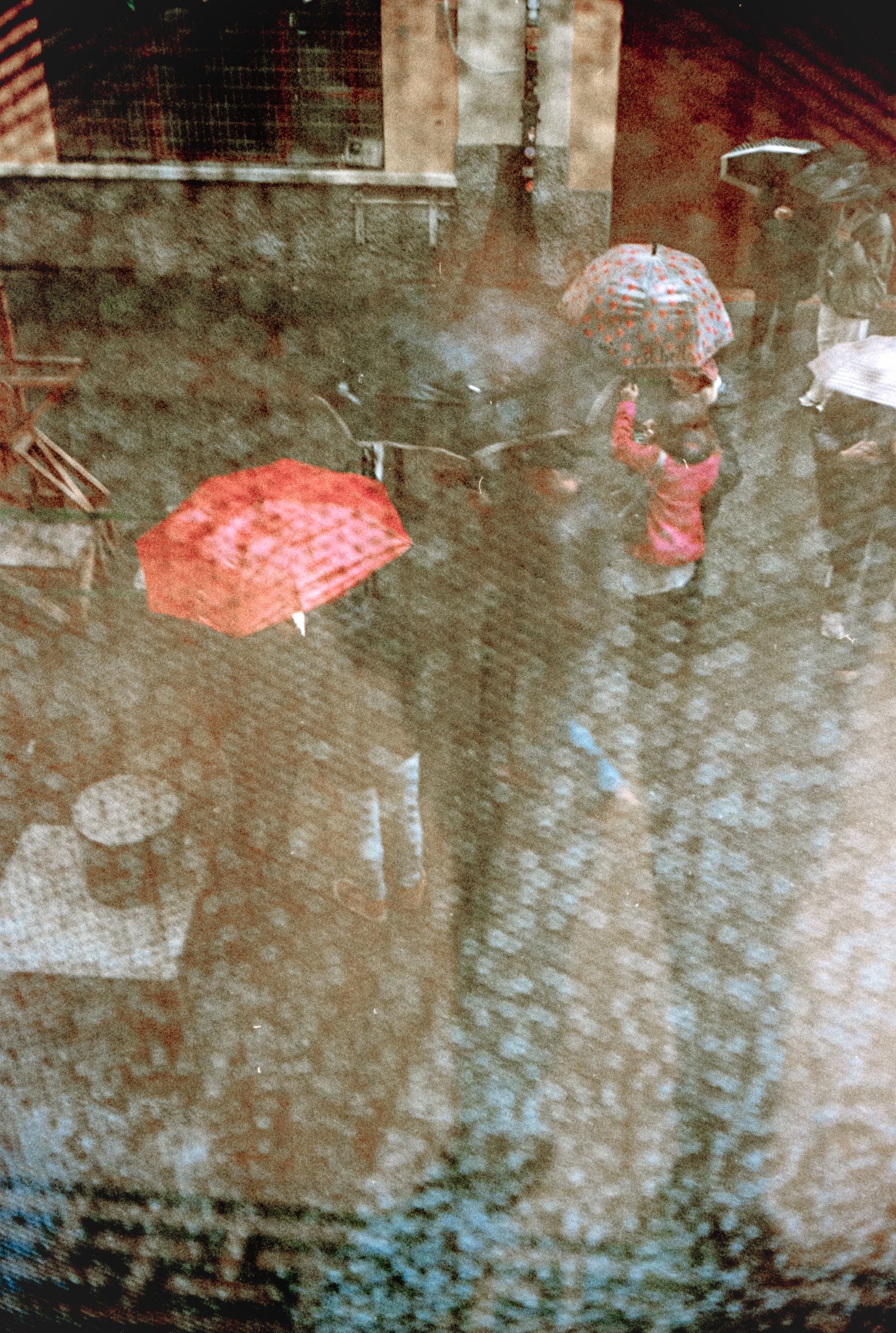
All of this leads to more deliberate photographs and, for me, also to some slightly quirky ones that I would probably not even consider when shooting digital. It feels as if the medium itself demands a different shooting style and a new way of looking at the world. The relative uncertainty of the outcome adds another layer of excitement, making each photo feel a bit more meaningful.
Embracing Imperfection
I am a perfectionist in many aspects of life – more than I would like to admit.
Digital photography, especially in the age of social media, carries an intrinsic pull toward perfection. The world is expected to look flawless – even though it clearly isn’t.
Even during editing, I often catch myself pushing every image toward something that looks more perfect, whatever that is supposed to mean.
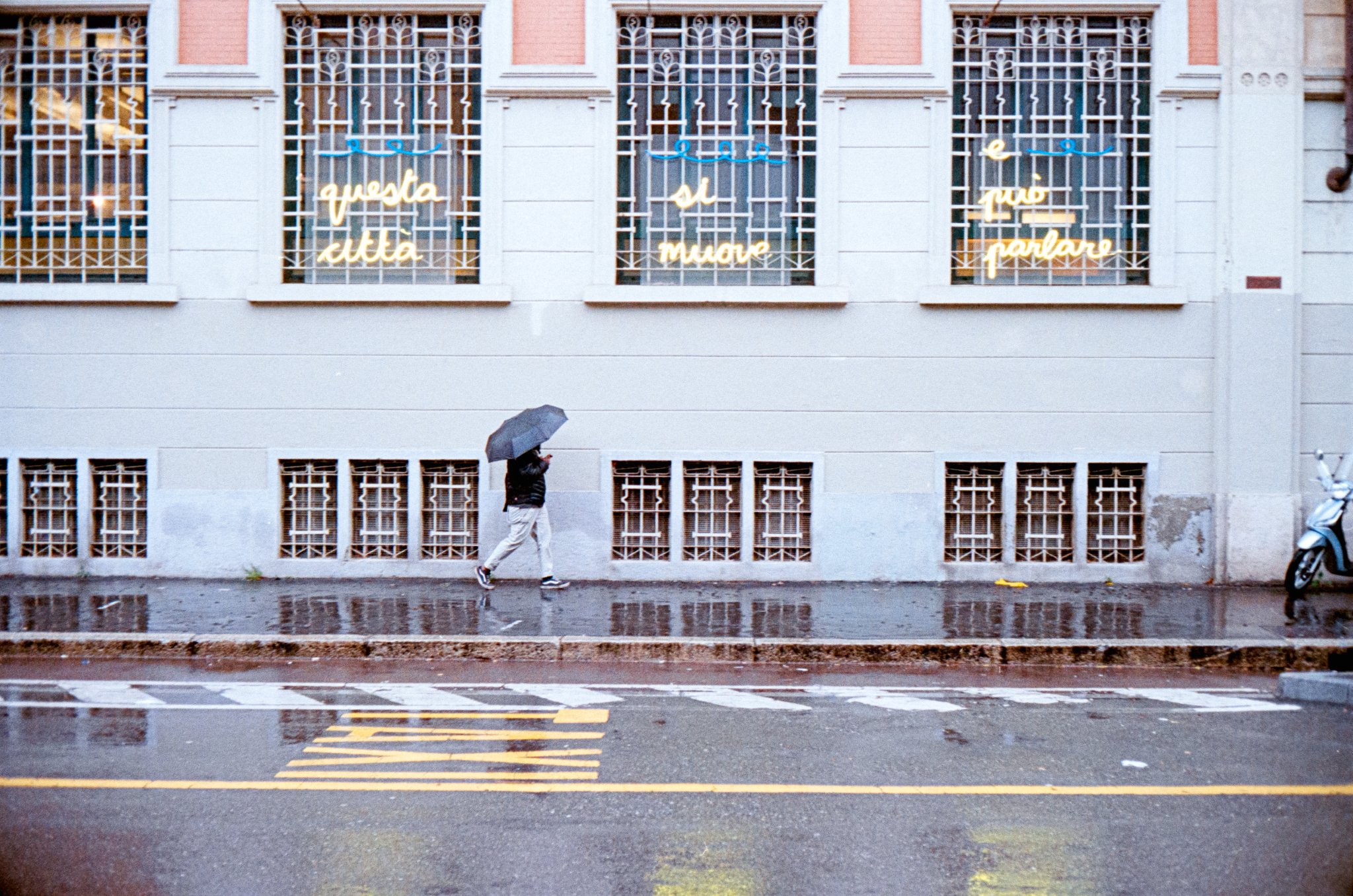
Analog photography feels like the right antidote to that mindset. Most of the “editing” happens before the shutter is ever pressed, when choosing which film to load. Removing distractions from film scans – a stray cigarette butt, a crushed coffee cup on the sidewalk – feels like cheating to me. Colors behave oddly under artificial light.
You get the point. It is what it is, and that is deeply relieving. Photography feels more intentional, yet lighter at the same time.
It’s Not About “Vintage Vibes”
The word “vibes” makes me cringe.
Still, I genuinely love the look of photos taken on film. Yes, I could replicate a similar aesthetic digitally, but that feels… unnecessary.
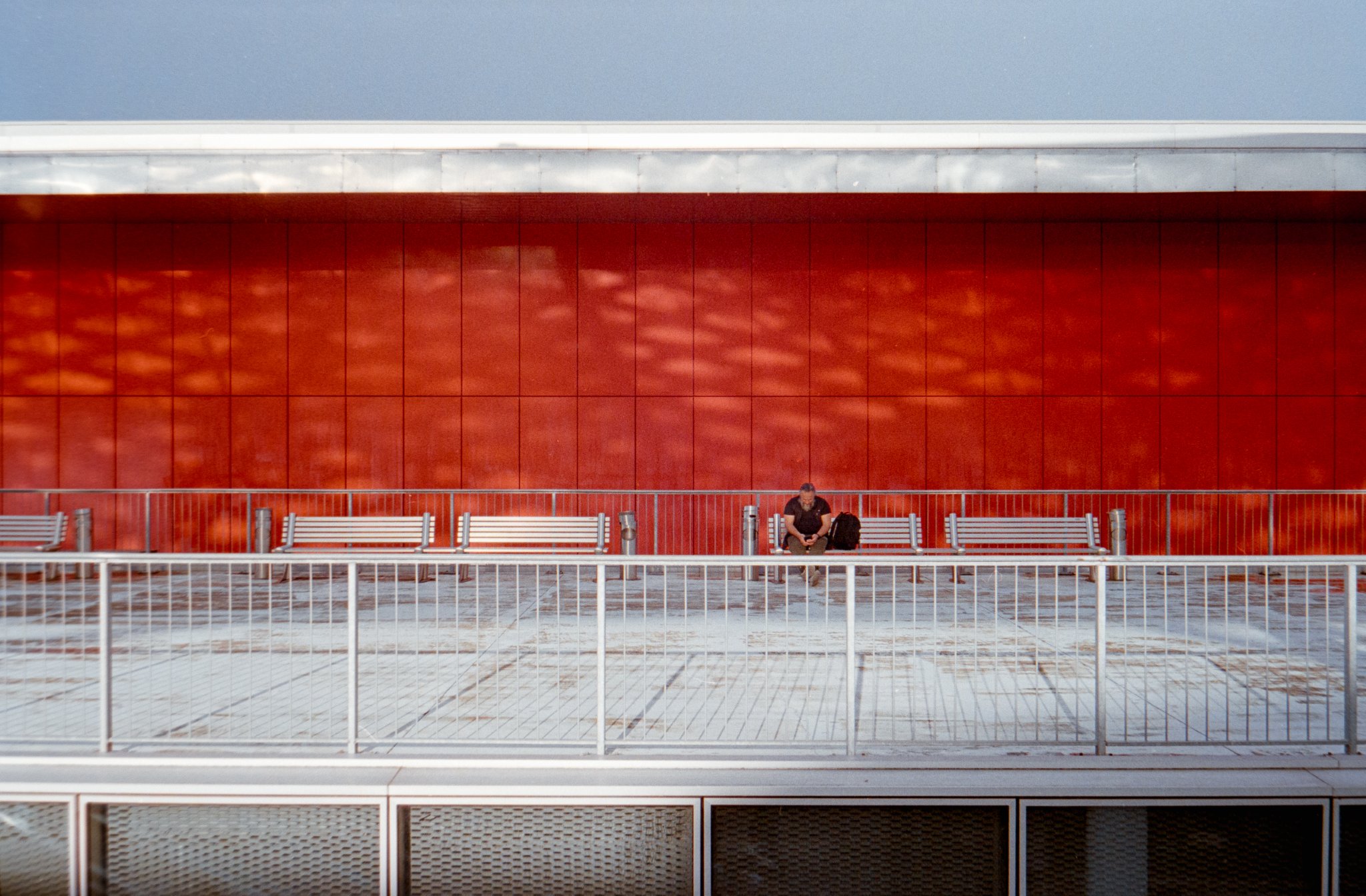
Why would I simulate something in software when I can get the real thing? It’s the same reason I enjoy woodworking and DIY – the process matters as much as the result.
Some Notes About Gear
As I mentioned earlier, I’ve tried four different cameras.
The Praktica Super TL feels, looks, and weighs like a tank. Its SLR design also makes focusing in low light nearly impossible.
The Canon Canonet QL17 is excellent in almost every respect and undeniably beautiful, but it’s still a bit bulky. I ended up selling it, and it has now found a new home in the Netherlands.
The Ricoh 500GX is fine overall, but focusing can be tricky, and I’m not particularly fond of its aesthetics. It’s currently looking for a new home as well. Size and weight, however, are spot on.
The Olympus 35 RC hits my sweet spot. It’s gorgeous, compact, and has a great viewfinder that makes focusing easy. I like it so much that I’ve recently acquired a second unit which, after restoration, will let me shoot two different film stocks at the same time.
I’ve also picked up a tiny exposure meter from Reflx Lab, which mounts on the hot shoe and works beautifully. I’ve nailed every shot with it so far. As I get more confident, I may rely on it less. We’ll see.
As for the internal meters in these cameras – they’re never truly accurate with modern alkaline batteries, but I’m trying them out when they still work after 50 years, and I have the feeling that they’re reliable enough in most situations.
Let’s Talk About Money
Film photography is expensive and, to some extent, wasteful.
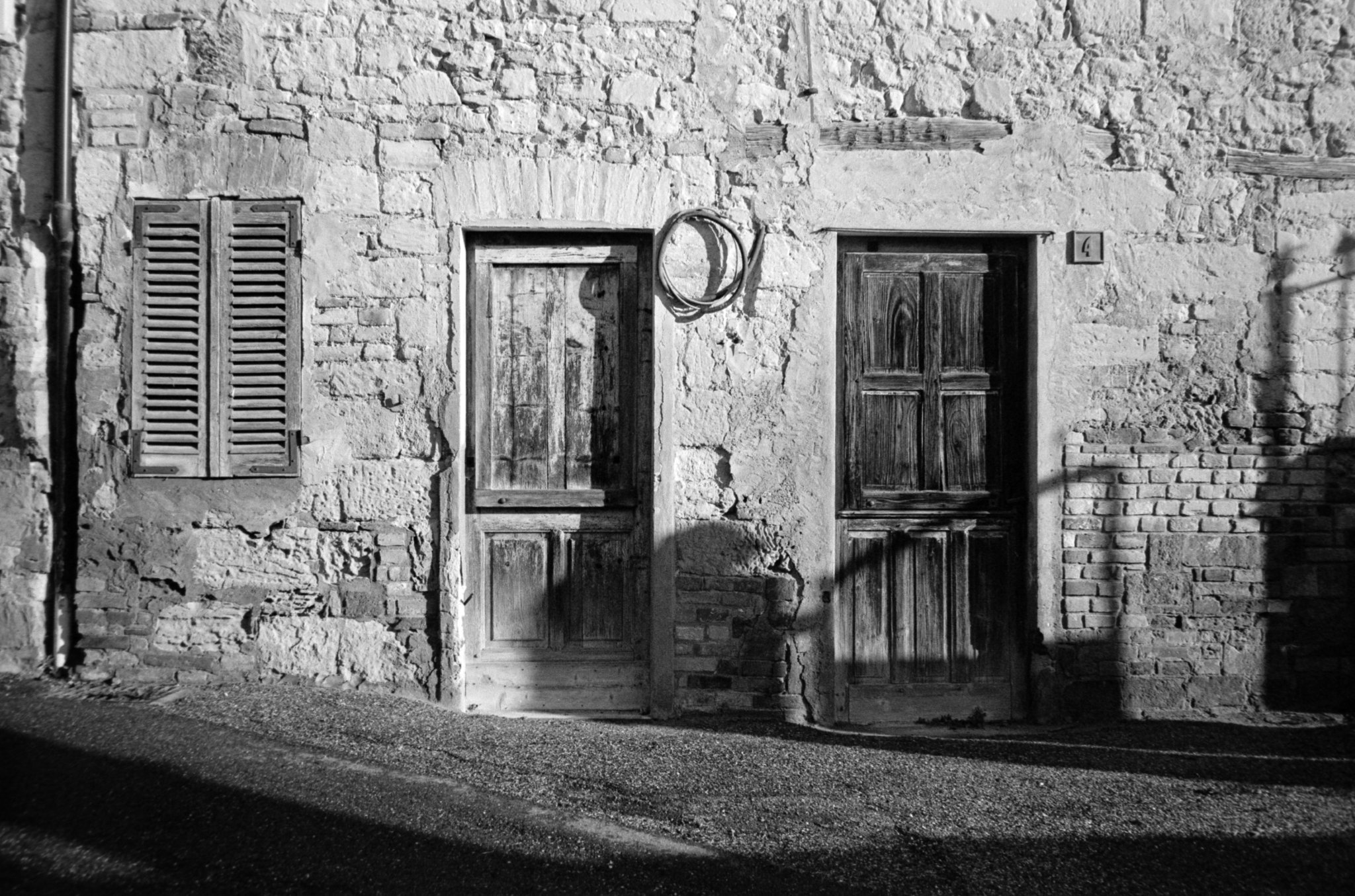
With that out of the way, let’s talk about actual costs.
Film prices vary widely depending on brand, stock, and where you buy it. I have anecdotal evidence that individual rolls tend to be cheaper when bought locally, while the best deals for larger quantities are usually found online.
In Milan, Italy, film development is relatively affordable. At a photo lab I’ve found and really like, I pay 12 € per roll for C-41 development and 6 MP JPEG scans (which brings us to the next topic).
At the end of the day, every time I press the shutter release button, I treat it as a 1 € decision.
Scanning At Home
If I weren’t a perfectionist (see above), I’d probably be content with the JPEG scans from the lab. But because I am, I rescan my negatives at home. I use an LED studio light as a backlight, set to 5500K with a diffuser, along with a 3D-printed contraption I designed myself to keep everything aligned.
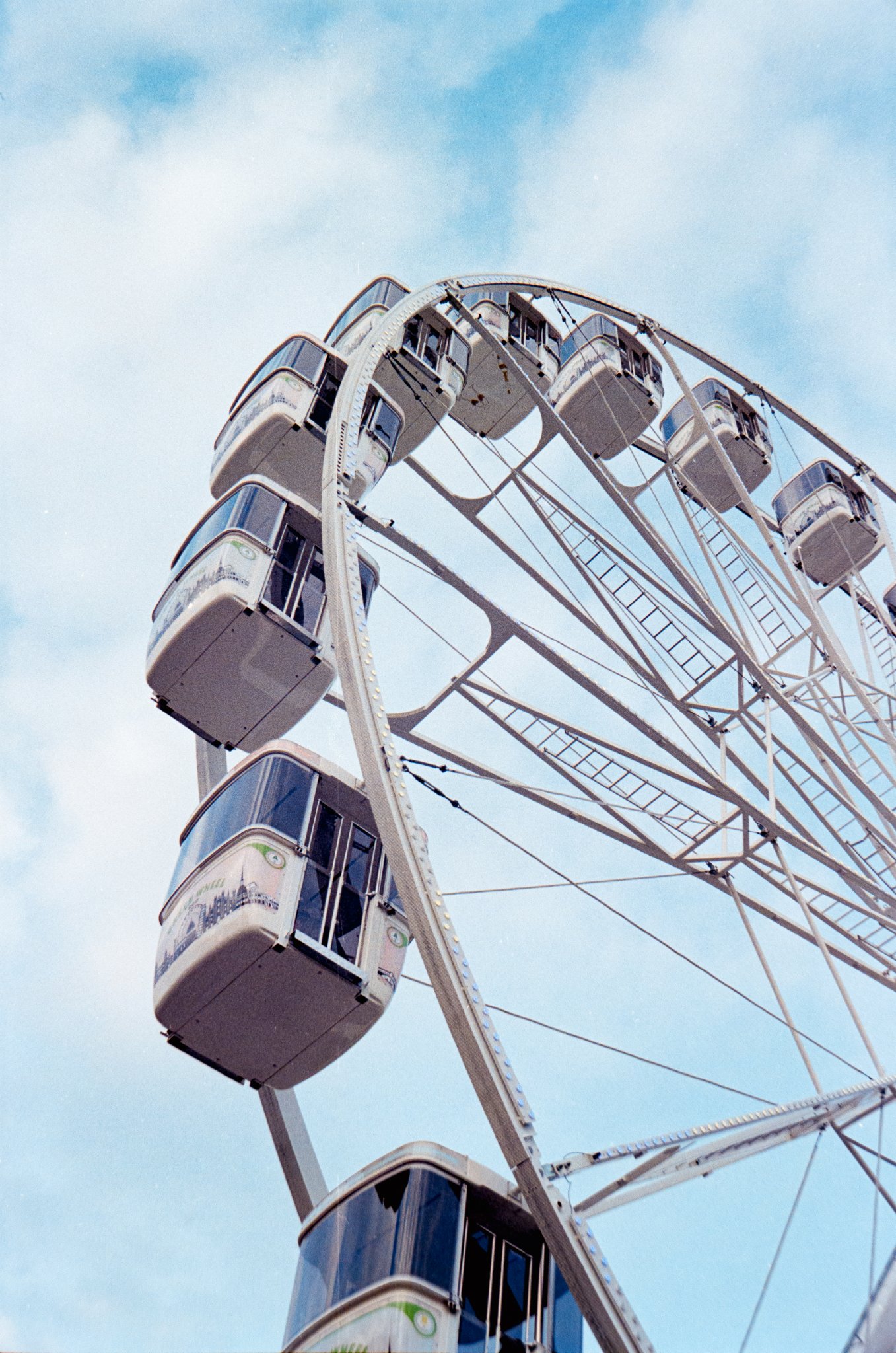
For the actual capture, I use my Lumix G9II with the 14–140mm lens set to 100mm at f/13, plus a 16mm extension tube. Is it optimal? No. But it’s good enough for now, producing 16 MP images. With this setup, I can scan a 36-frame roll in about ten minutes.
I use Lightroom Classic together with Negative Lab Pro to convert the negatives into positives, then I finish the processing in Lightroom.
It’s time-consuming and sometimes frustrating, but I enjoy the process. I like rediscovering my photos at the scanning stage.
Conclusions
During the first few weeks of this new adventure, I shot a lot of film. Now, I’ve settled into a more sustainable pace and expect to go through about one roll per month.
Above all, I’m really enjoying the process and the results – and that in itself feels like a small victory.
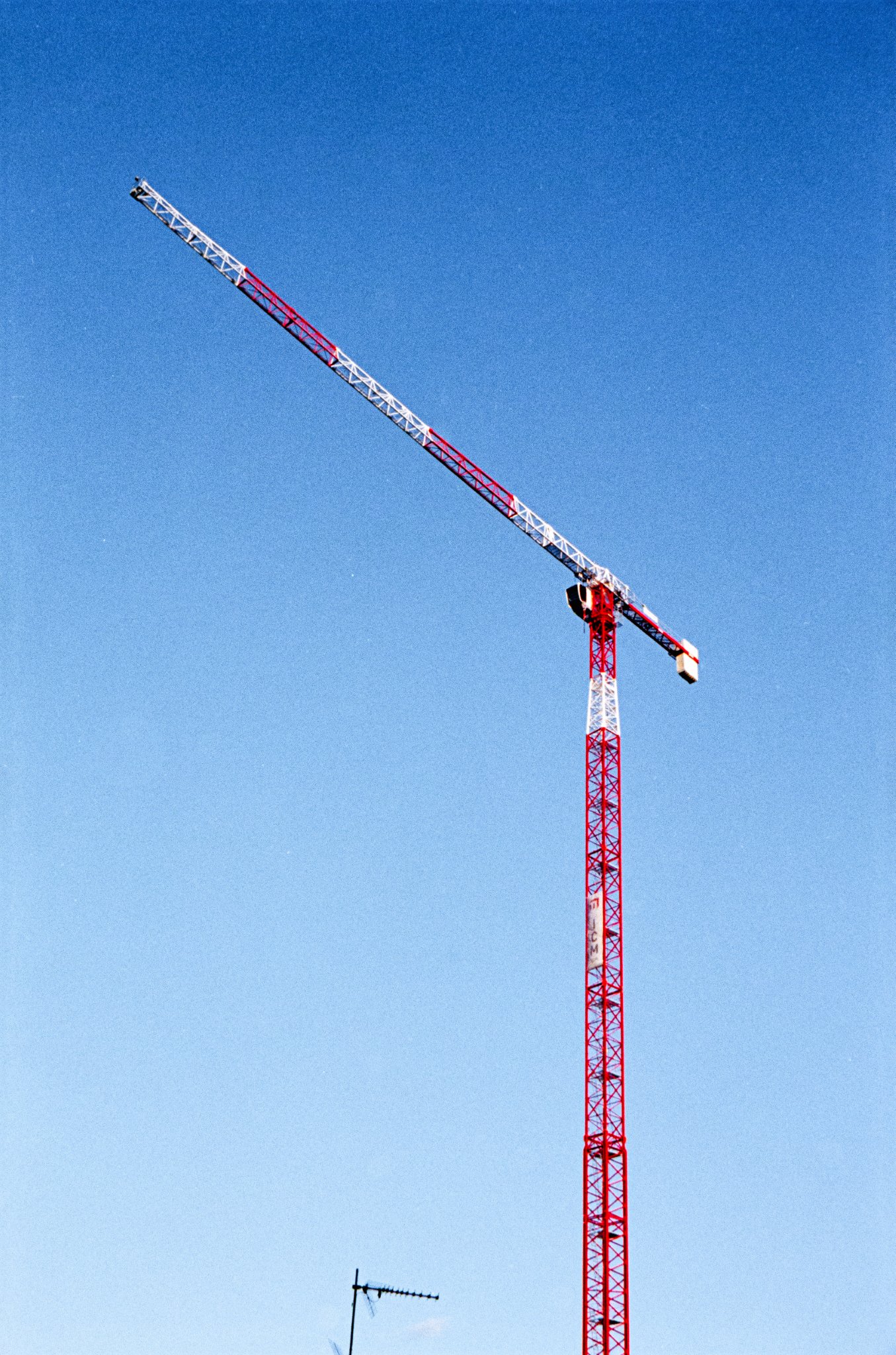
I have no doubt that I couldn’t have captured many of my favorite shots on film. The experience is completely different, especially in street photography, where opportunities appear and vanish quickly, and my vintage analog cameras aren’t exactly fast in that regard.
Even so, I’ve started going out with just my film camera, leaving my beloved G9II at home on certain occasions. The Olympus 35 RC, in particular, is so small it’s almost pocketable.
I’ve also started shooting everyday moments on film – moments I might never have captured before. For some reason, recording these small, private slices of life on film feels meaningful, even proper.
These very experiences are making me rethink my entire approach to photography. I’m not entirely sure where this journey will take me. While I know I’ll continue shooting plenty of digital, I’m equally certain that film is here to stay in my practice.